Mythic Mirror Podcast
What are the rewards of the Dark?
What are the demands of the Light?
And why does the battle between them feel older than religion itself?
In this episode of Mythic Mirror, we explore The Dark Is Rising by Susan Cooper—a quiet, eerie, deeply mythic novel set in rural England at Midwinter, where ancient forces stir and a child stands at the threshold between worlds.
A World That Feels Remembered
Cooper weaves in figures and ideas drawn from the mythic landscape of Britain—names and places that echo Kipling, Tolkien, Lewis, and stories even older than that. References like Wayland Smith immediately recalled childhood readings and half-remembered fairy lore, giving the book a sense of depth and reality that lingers long after the page is turned.
For readers who grew up with these stories, there’s a powerful sense of recognition. For those who didn’t, the effect is still there: the world feels lived-in, layered, and old. Not invented—remembered.
Fear, Childhood, and Growing Older
One of the surprises of rereading The Dark Is Rising as adults was how frightening it felt—perhaps even more so than when first encountered as children. The Dark doesn’t attack through spectacle or violence at first, but through emotion. Sudden, overwhelming fear. A fear that can’t physically harm you, but can utterly undo you.
As adults, we carry far more lived experience with fear. Children, paradoxically, can often imagine death with a certain level of laissez faire—not because they are braver, but because they haven’t yet assigned the same weight to it. Childhood fear is enormous and sharp, but different. Adult fear is layered with memory.
That difference changes how the book lands.
Christmas, Ritual, and Fighting the Dark
One of the most striking elements of the novel is how the battle against the Dark unfolds alongside Christmas celebrations. Carol singing, holly, the Yule log—all of it happening not in denial of darkness, but in defiance of it.
The celebration of light in The Dark Is Rising isn’t escapism. It’s resistance.
Rituals matter because they affirm goodness in the face of suffering—not because suffering isn’t real. Hunger, war, homelessness, grief still exist. Lighting candles, decorating trees, and gathering together don’t erase that—they push back against it.
Magic, in this story, isn’t flashy or creative. It’s preservative. It exists to hold the line.
Magic as Duty, Not Reward
Unlike much modern fantasy, the magic in The Dark Is Rising is never a spectacle. It doesn’t exist to entertain or empower. It exists because it must.
Magic here is duty.
The Old Ones don’t seek reward. They don’t expect peace at the end. There is no promise that the Dark will never rise again—only that, if they succeed, the Light will be stronger next time.
That framing feels startlingly honest.
Free Will, Betrayal, and the Cost of Choice
One of the most powerful moments in the book centers on betrayal—not by a monster, but by a human being unable to bear the demands of the Light. Offered power by the Dark, he accepts—not because he’s evil, but because he’s afraid.
What’s remarkable is how his mentor responds.
Knowing the betrayal will happen, knowing he could intervene, he doesn’t. Free will cannot be stripped away, even to prevent catastrophe. Fate, in this story, is shaped by choice. You are fated by your free will.
When the betrayer is offered a second chance, he refuses—clinging to a story he has told himself about being wronged. His version of events contains facts, but not truth. Belief shapes reality not by accuracy, but by meaning.
It’s a sobering reminder: the stories we tell ourselves matter—not because they’re perfectly true, but because they shape who we become.
Light and Dark Older Than Religion
Though the book is steeped in spiritual imagery, it never feels preachy or religious. The Light and Dark in The Dark Is Rising are older than Christianity, older than churches, older than doctrine.
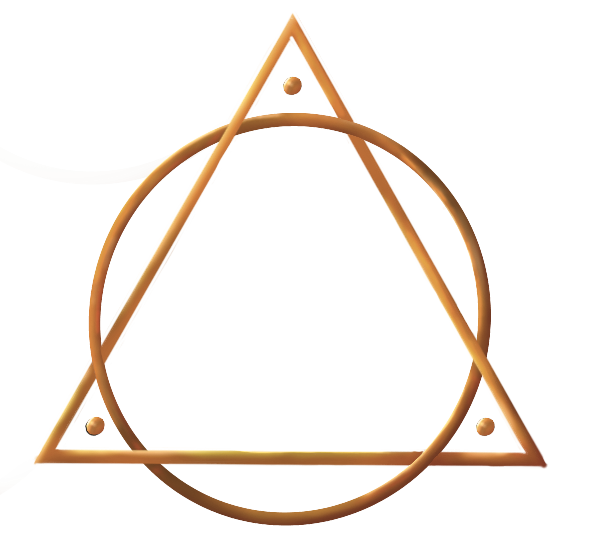
At one point, an attack happens inside a church—not because the Dark is blasphemous, but because places where people contemplate Light and Dark are focal points. Symbols used in the battle predate any single religion. They belong to humanity.
It’s a delicate balance, and Susan Cooper pulls it off beautifully.
The Wild Hunt and the Impersonal Power of Nature
Near the end of the book, the Wild Hunt appears—terrifying, otherworldly, inevitable. At first glance, the Hunter’s face seems cruel. Later, it becomes clear that what we see isn’t cruelty, but time itself. Nature doesn’t hate. It doesn’t seek vengeance.
It simply is.
Like a volcano or a mountain, the Wild Hunt punishes not out of malice, but inevitability. If you step into its path unprepared, you suffer—not because it wants you to, but because that’s how the world works.
The Rewards of the Dark
In the end, the Dark does not deliver what it promises. Those who betray the Light are betrayed in turn. Power gained through deception cannot be trusted.
The Light, by contrast, is brutally honest. It makes no false promises. It acknowledges the risk, the loss, the grief—and asks anyway.
The Dark will rise again. But if the Light holds, it will rise stronger next time.
A Necessary Midwinter Read
The Dark Is Rising is not a cozy Christmas story. It’s eerie, unsettling, and profound. It belongs to Midwinter—to the long night, the quiet, the waiting.
It reminds us that darkness is not an enemy to be destroyed, but a force to be understood, endured, and balanced.
And that belief—real belief—is not comfort.
It is practice.
It is ritual.
It is choosing the Light again and again, knowing it will never be easy.